

To upscale conservation and restoration, we need…
- Good data infrastructure across sectors
- Routes to non-traditional funding and,
- Collective thinking to achieve an increasingly common goal.
The LIFE Strategic Nature Project (SNaP) Ireland targets the Prioritised Action Framework 2021-2027 (PAF21) for Natura 2000 protected sites in Ireland.
🎯 Key goals
- Construct an Integrated Data Platform for Restoration
- Establish a National Complementary Funding Unit for Nature
- Begin initial restoration on priority blanket bog and lagoons
🖊️ Details
- 9 years (108 months)
- € 34 million , co-funded through CINEA – European Climate, Infrastructure and Environment Executive Agency, NPWS, DAFM and Coillte
- Team of 14 people, with recruitment underway
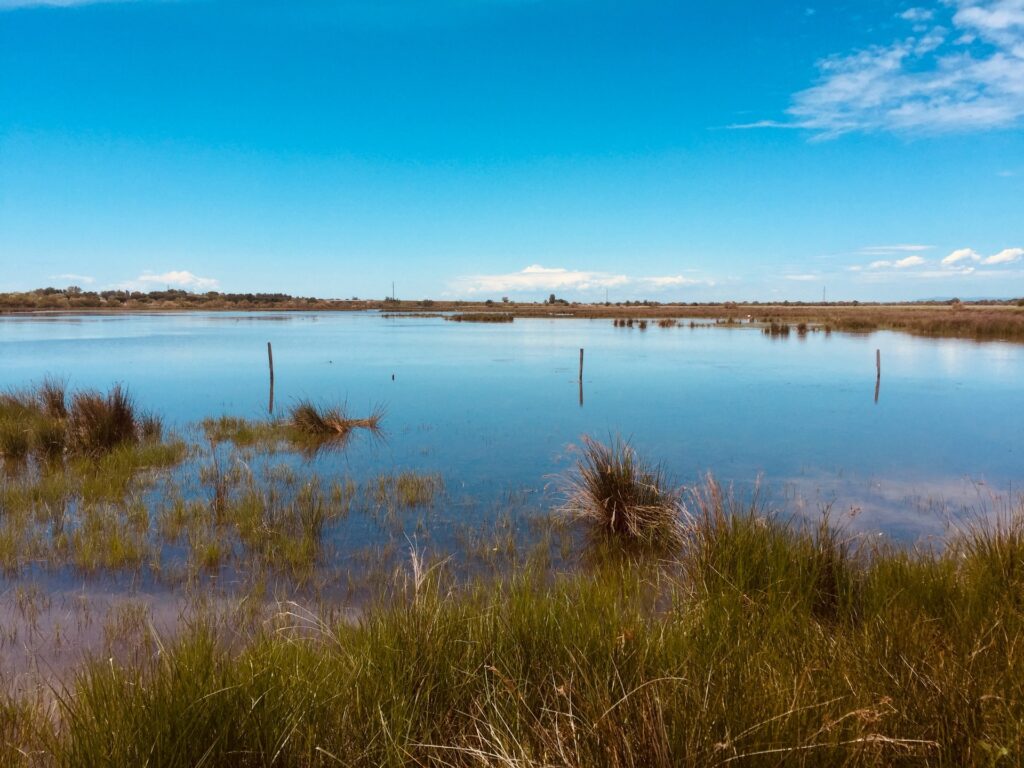
Objectives of LIFE Strategic Nature
- Improve institutional capacity and effectiveness –
by the creation of an Integrated Data Platform, including mapping and public facing dashboards, to identify and target restoration measures, establishing the knowledge base within DHLGH to run that data platform after the project has ended - Deliver restoration actions – with a strategic added value for the implementation of EU nature and biodiversity policies, including PAF21 and the Nature Restoration Regulation, with an initial focus on lagoons and blanket bog restoration
- Integration and implementation of priority measures – as identified in PAF21 and other policies, into Complementary Actions by blending mainstream and private financing, and building dedicated capacity at national level via a National Complementary Funding Unit
- Ensure continuity of mainstreaming and integration – after the project has ended – by guaranteeing the continued operation of both the Integrated Data Platform and the National Complementary Funding Unit after the SNaP has ended in 2032.
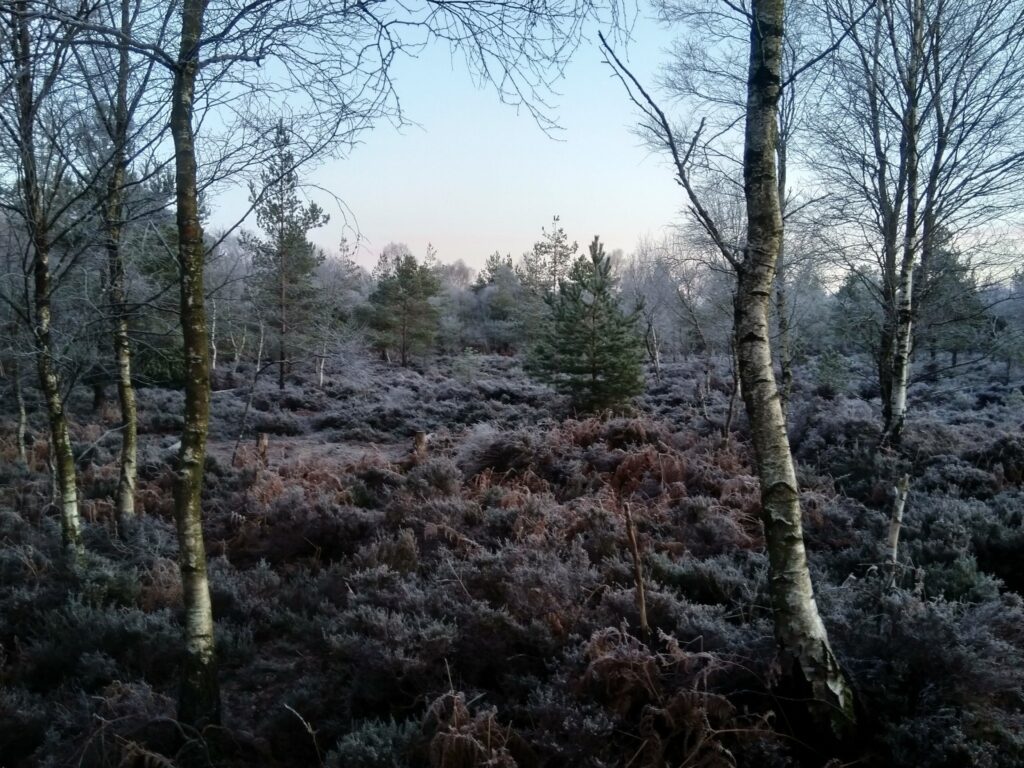
A three pillar approach…
Pillar 1
Data Framework for PAF Implementation
Mission: “To improve the availability and quality of data for programming and monitoring/reporting of conservation measures”
Work Packages: WP 2 and WP5
Pillar 2
Concrete Conservation Actions
Mission: Conduct tangible widescale restoration on a variety of habitat, substantially implementing E.2 of PAF21
Work Packages: WP3
Pillar 3
National Complementary Funding Unit
Mission: To catalyse implementation of the PAF through an enhanced approach to the coordination and mobilisation of complementary funding from both available, and yet to be identified, funding sources.
Work Packages: WP4
Across six Work Packages…
LIFE SNaP will be delivered through six distinct work packages. Expand below to learn more.
WP 1 – Project Management
To deliver a project of such scale and technical complexity, firm project management structures are required. The NPWS will coordinate using vast experience of successfully managing LIFE projects over three decades. This will be supplemented by the hiring of dedicated Project Management, Adminstrative and Technical officers. Overall, this is bundled into three distinct areas of work:
- Project Management and coordination (including impact monitoring and evaluation)
- Coordination and building up of strategic capacities among the competent authorities and data holders and other stakeholders
- Project communication and outreach
WP 2 – Integrated Data Platform (IDP)
Work Package 2 focuses on the delivery of an Integrated Data Platform. This will enable a coordinated, standardised national approach to the prioritisation, planning, monitoring and reporting of conservation measures in Ireland across a number of different organisations and stakeholders. Given the complex nature of this work, it will involve eight defined work streams:
- Requirements analysis
- Data analysis and data management plan
- Filling data gaps
- Develop indicators and metrics for prioritisation, monitoring and reporting
- Integrated Data Platform design
- Integrated Data Platform development and testing
- Change management, learning and adoption plan and rollout
- Support and Maintenance
WP 3 – Nature Conservation and Restoration
This work package implements Pillar 2 and comprises three components;
- National Coastal Lagoons restoration strategy, focussing initial efforts of Lady’s Island and Tacumshin lagoons, Co. Wexford
- Afforested peatlands restoration on the Coillte estate, totalling 500ha, mainly in the West.
- Strategic interventions on other lands of high conservation and restoration priority, up to 1,000ha
WP 4 – Complementary Funding
This work package implements Pillar 3 and is dedicated to the mainstreaming of nature and biodiversity into funding programmes and (2) the coordination and mobilisation of funding for complementary actions.
Key tasks include:
- Review existing key national and EU funding programmes
- Shortlist potential public and private funding sources
- Pursue specific complementary funding opportunities from the short list
- Initiate stakeholder engagement to identify/recruit potential project partners
- Develop a schedule for the preparation of prioritised complementary funding project
- Prepare and submit complementary funding proposals
- Coordinate the finalisation and drawdown of funds
- Collaborate with other SNaPs (e.g. Belgium) who share a focus on mobilising complementary funding
WP 5 – Pollinator Monitoring Programme
This work package will build on the work of a pilot monitoring scheme by establishing and operating a National Pollinator Monitoring Programme to track changes in wild pollinators across Ireland. Key tasks include:
- Preparations for management of the national pollinator monitoring programme
- Establishment of the monitoring network
- Implementation of the pollinator monitoring scheme
- Implementation of associated public awareness actions.
WP 6 – Replication and Sustainability, Exploitation
This work package supports all three Pillars. Key tasks include:
- Develop Strategy to ensure continuation of project results
- Develop Strategy to promote replication/transfer of project results in Ireland and other Member States
- Develop Strategy to ensure exploitation of project results.
This project is funded by the European Union under Grant no. 101103707. Views and opinions expressed are, however, those of the author(s) only and do not necessarily reflect those of the European Union or Department of Housing, Local Government and Heritage. Neither the European Union nor the granting authority can be held responsible for them.